Are you searching for a dental clinic in Lethbridge because of ongoing tooth pain or a severely damaged tooth? Persistent tooth pain, sensitivity, or swelling may be signs that the inner part of a tooth has become infected or injured. When this happens, root canal therapy may help remove the infection while preserving the natural tooth whenever possible. Treating the problem early can help protect the remaining tooth structure, support normal chewing function, and reduce the risk of more extensive dental treatment.
Understanding how root canal therapy works, when it may be recommended, and what to expect during the process can help you make informed decisions about your long-term oral health.
The Importance of Root Canal Therapy in Saving Your Teeth
The inner part of a tooth contains soft tissue that helps keep the tooth healthy during its development. If this tissue becomes infected because of deep decay, repeated dental treatment, or a crack in the tooth, treatment may be needed to save the tooth.
Root canal therapy in Lethbridge may help:
- Preserve the natural tooth.
- Reduce discomfort caused by infection.
- Prevent the infection from spreading.
- Restore normal chewing function.
- Reduce the need for tooth extraction.
Saving a natural tooth is often beneficial for maintaining your bite and supporting long-term oral health.
When Might Root Canal Therapy Be Recommended?
A dentist in Lethbridge may recommend root canal therapy if the inner part of a tooth has been affected by infection or severe damage.
Common signs include:
- Ongoing tooth pain
- Sensitivity to heat or cold that lasts after the source is removed
- Swollen or tender gums near a tooth
- Pain when chewing
- Tooth discoloration in some cases
A dental examination and X-rays help determine whether root canal therapy is the most suitable treatment.
What Happens During the Procedure?
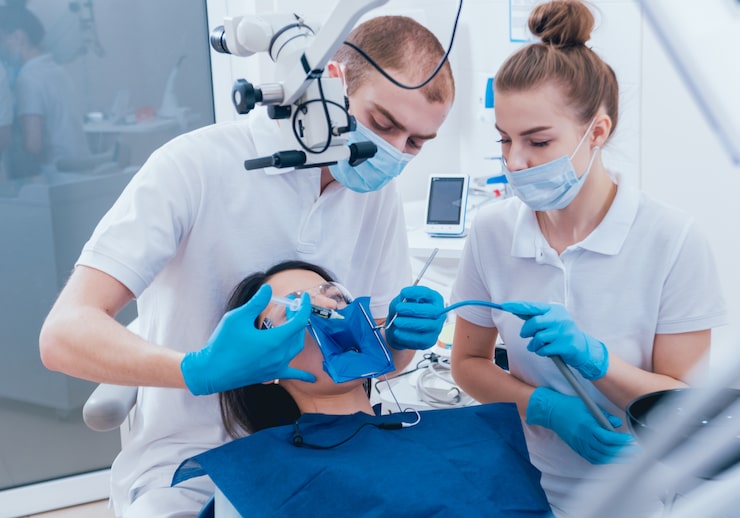
Many patients wonder what happens during a root canal procedure. The treatment is completed in several carefully planned steps.
- Dental Examination: The dentist near you examines the tooth and may take X-rays to understand the extent of the infection.
- Numbing the Area: Local anesthesia is used to help keep the treatment area comfortable during the procedure.
- Removing the Infected Tissue: A small opening is made in the tooth so the infected tissue inside can be carefully removed.
- Cleaning the Root Canals: The inside of the tooth is cleaned, shaped, and disinfected to reduce bacteria.
- Sealing the Tooth: The cleaned canals are filled with a special material, and the tooth is sealed to help protect it.
Restoring the Tooth: Depending on the amount of remaining tooth structure, a filling or dental crown may be recommended to strengthen the tooth.
Save Your Smile With Root Canal Therapy
Root canal therapy can help preserve a natural tooth that has been affected by deep decay or infection. Saving the natural tooth may help maintain normal chewing, support nearby teeth, and reduce the need for tooth replacement. Receiving treatment as early as possible can also help prevent the infection from becoming more severe. A dental examination can determine whether root canal therapy is the most appropriate option based on the condition of your tooth and your overall oral health.
Why Is It Better to Save a Natural Tooth?
Saving your natural tooth whenever possible can provide many benefits.
Benefits include:
- Helping you chew normally.
- Keeping nearby teeth in place.
- Maintaining your natural bite.
- Supporting normal jaw function.
- Reducing the need for a tooth replacement when possible.
Every smile is different. Your dentist will examine your teeth and recommend the treatment that is best for your oral health.
How Can You Care for a Tooth After Root Canal Therapy?
Taking good care of your teeth after treatment can help protect the treated tooth and keep your mouth healthy.
Helpful habits include:
- Brush your teeth twice a day.
- Floss every day.
- Visit your dentist for regular checkups.
- Avoid biting very hard foods until your tooth is fully restored.
- Follow your dentist’s care instructions.
If you are searching for root canal treatment near you, getting treatment early may help save your natural tooth before the problem gets worse.
Preserve Your Tooth With Prompt Professional Care!
Receiving treatment before an infected tooth becomes more severely damaged can help protect your natural smile and support your long-term oral health. A thorough dental evaluation can determine whether root canal therapy is the right option for your situation, explain each step of the treatment process, and address any concerns you may have. Schedule an appointment with Absolute Dental to receive personalized care, explore your treatment options, and take an important step toward restoring the health, comfort, and function of your smile.
FAQs
Why is root canal therapy important?
Root canal therapy helps remove infection from inside the tooth while preserving the natural tooth whenever possible.
Does a dental crown always follow a root canal?
Not always. Whether a crown is recommended depends on the amount of remaining tooth structure and the tooth’s location.
How long does root canal treatment take?
The treatment time varies depending on the condition of the tooth. Some cases are completed in one visit, while others may require more than one appointment.
Can a root canal prevent tooth extraction?
In many situations, root canal therapy can help save a tooth that might otherwise need to be removed. The appropriate treatment depends on the condition of the tooth.