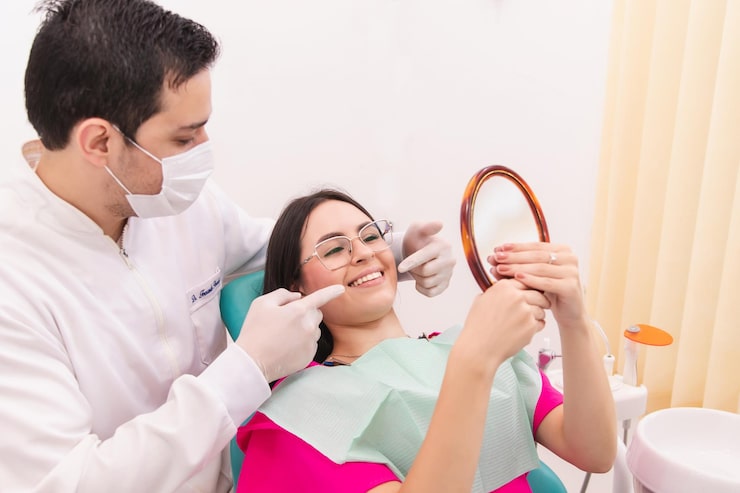
When it comes to fixing small cosmetic issues without committing to a big procedure, one treatment continues to stand out as a favourite among patients. Dental bonding in Lethbridge is quick, affordable, and surprisingly effective at fixing a wide range of small smile concerns — all in just one visit.
If you have been thinking about ways to improve your smile without spending a lot of time or money, bonding is worth learning more about.
What Is Dental Bonding?
Dental bonding means applying a tooth-coloured material directly onto a tooth, then shaping and hardening it to fix small imperfections. The material sticks securely to your natural tooth and blends in smoothly with the teeth around it.
Unlike veneers or crowns, bonding usually needs little to no removal of your natural tooth. This makes it one of the gentlest cosmetic options available. The whole process can usually be done in a single visit, with no waiting on a lab or coming back another day.
Closing Small Gaps Between Front Teeth
One of the most common reasons people choose bonding is for cosmetic bonding for front teeth gaps. A small gap between the front teeth can feel like a big deal to the person who has it, even though it does not cause any health problems.
Bonding offers a simple fix. The dentist applies the tooth-coloured material to the sides of the teeth next to the gap, slowly building it up until the space is closed. The result is a more even, balanced smile — without braces or anything more invasive.
This works really well for smaller gaps. Bigger spacing issues might need a different solution, like orthodontics or veneers, depending on the situation.
Fixing a Cracked Tooth With Bonding
Dental bonding for cracked tooth repair is another common reason people choose this treatment. Small chips and cracks — often from biting something hard by accident, a small bump, or normal wear over the years — can be fixed quickly with bonding.
The dentist smooths out any sharp or damaged edges, then applies the tooth-coloured material to rebuild the tooth’s natural shape. Once it is hardened and polished, you can barely tell anything was ever wrong.
For small to medium chips, bonding is often the easiest and most affordable way to fix the problem. Bigger or more serious damage may need a crown or onlay instead.
Why So Many Patients Choose Bonding
As an affordable smile restoration treatment, bonding offers several real advantages that make it appealing to a lot of people.
Here is what makes bonding stand out:
- It usually costs less than veneers or crowns
- It is typically finished in just one visit
- Very little—or none—of your natural tooth needs to be removed
- It can fix several things at once—chips, gaps, staining, and shape
- There is little to no discomfort, and often no need for numbing
For people looking for dental bonding near you who want a quick fix without a long process or a big bill, bonding checks a lot of boxes.
What Bonding Can and Cannot Fix
Bonding is a flexible treatment, but it is not the right answer for everything. It works well for:
- Small chips and minor cracks
- Gaps between the front teeth
- Mild staining or discoloration
- Teeth that are slightly uneven or oddly shaped
- Covering exposed tooth roots from mild gum recession
It is usually not the right choice for serious structural damage, large cavities, or bigger gaps and alignment problems. Those situations call for stronger or more complete treatments.
What Happens During a Bonding Appointment
Bonding is known for being quick and easy. Here is a simple breakdown of what happens:
- The dentist picks a tooth-coloured material that matches your natural teeth
- The surface of the tooth is gently roughened so the material sticks well
- The material is applied in layers and shaped the way it needs to be
- A special light hardens each layer as it is added
- The area is polished to match the shine of your other teeth
Most bonding appointments take between 30 and 60 minutes per tooth, depending on how much work is needed.
Looking After Bonded Teeth
Bonded teeth do not need any special care beyond your normal daily habits.
- Brush twice a day with a soft-bristled toothbrush
- Floss daily around the bonded tooth
- Avoid biting down on very hard foods like ice or hard candy
- Cut back on staining foods and drinks like coffee, tea, and red wine
- Visit your dental clinic near you regularly so the bonding can be checked over time
With good care, dental bonding usually lasts between 5 and 10 years before it may need a touch-up or replacement.
A Simple Way to Restore Your Smile — Visit Absolute Dental
Sometimes the smallest changes make the biggest difference. Dental bonding offers a fast, affordable way to fix small imperfections and bring back your confidence — without the time or cost of bigger procedures.
At Absolute Dental, the team takes a personal approach to every cosmetic visit, helping you understand which option fits your goals best. Book your appointment today and find out how a simple bonding treatment could change your smile.
Frequently Asked Questions
When will my dental bond need to be touched up?
If you properly take care of your dental bond, it will generally last between 5 and 10 years before a visit is in order for repair or to be completely redone.
Is dental bonding painful?
Most bonding treatments need little to no numbing, since they do not usually involve removing much of the tooth. Most patients find the whole process comfortable from start to finish.
Can dental bonding stain over time?
Yes, the material can stain a little over time, especially with frequent coffee, tea, or red wine. Cutting back on these and keeping up good oral hygiene helps it stay looking good for longer.
Is dental bonding a permanent fix?
Bonding is more of a long-term fix than a permanent one. It usually needs to be replaced or touched up after several years, depending on wear and how well it has been cared for.