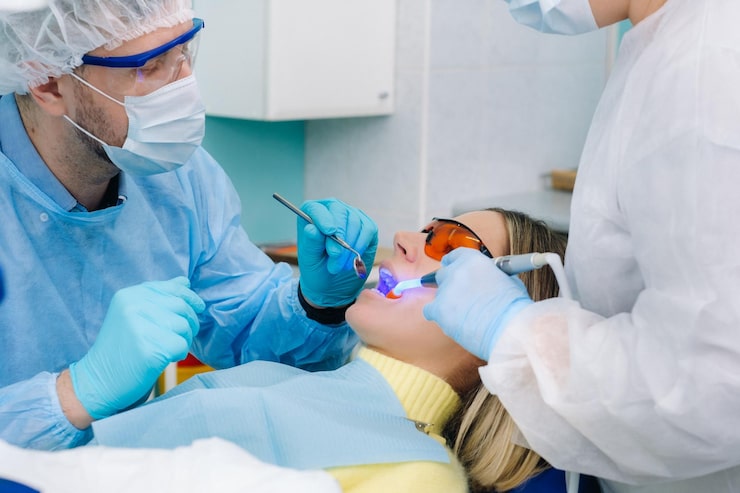
A toothache becomes a dental emergency when pain is severe, persistent, worsening, or accompanied by swelling, fever, drainage, injury, or difficulty opening the mouth. An emergency dentist in Lethbridge can examine the area and identify the cause before the problem progresses. Although a toothache does not always indicate infection, pain that disrupts sleep, eating, or daily activities deserves prompt attention.
Symptoms can arise from deep decay, a cracked tooth, inflamed pulp, gum disease, or an abscess. Because these problems can feel similar, the safest approach is to have a dentist assess the tooth rather than trying to diagnose it at home. Urgency and appropriate treatment depend on your symptoms and the dentist’s findings.
Which Toothache Symptoms Call For Urgent Attention?
Arrange prompt dental assessment when you notice one or more of these signs:
- Severe or persistent pain that does not settle
- Pain that is worsening or repeatedly interrupts sleep
- Swelling around the gum, jaw, or face
- Pus, an unusual taste, or drainage near a tooth
- Fever alongside tooth pain or swelling
- Pain after a blow, fall, or other dental injury
- Difficulty opening your mouth normally
A tooth that becomes sensitive for a brief moment is not automatically an emergency. However, lingering sensitivity, pain when biting, or discomfort that keeps returning deserves attention, even when it temporarily improves.
Can Severe Tooth Pain Mean There Is An Infection or Abscess?
It can, but severe pain has several possible causes. Deep decay may irritate the pulp, the soft tissue inside a tooth that contains nerves and blood vessels. A crack can also expose sensitive structures or allow bacteria to reach deeper tissues.
A dental abscess is a pocket of infection that may develop around a tooth root or in the gum. Possible signs include localized swelling, tenderness, drainage, a bad taste, and sometimes fever. Not every abscess produces every symptom, and a toothache alone cannot confirm one.
Spreading facial swelling, fever with worsening symptoms, or feeling increasingly unwell calls for prompt assessment. Difficulty breathing or swallowing, or rapidly spreading swelling, is a medical emergency. Seek emergency medical care rather than waiting for a routine dental appointment.
What Can You Do Before Seeing a Dentist?
Emergency dentistry near you can help assess worsening pain and determine the next step. While arranging an appointment, focus on keeping the area comfortable and avoiding further irritation:
- Contact a dental clinic and describe the pain, swelling, injury, and when symptoms began.
- Avoid chewing on the affected side.
- Choose soft foods that do not trigger discomfort.
- Keep the area gently clean with careful brushing.
- Do not apply household substances or unapproved products to the tooth or gums.
These steps may help you manage discomfort temporarily. They do not treat the underlying cause, so do not delay an assessment because the pain eases.
How Might A Dentist Diagnose and Treat an Emergency Toothache?
A dentist in Lethbridge may review when the symptoms started, what makes them better or worse, and whether there has been a recent injury. The examination may include checking the tooth, surrounding gums, bite, and any visible swelling. The dentist may take dental images when clinically indicated.
Treatment depends on the diagnosis and the amount of damage. A damaged tooth may need a filling or crown. Inflammation or infection inside a restorable tooth may call for root canal treatment. Drainage or extraction may be considered in selected cases. The dentist at a dental clinic near you will explain the purpose, limitations, and follow-up for any recommended option.
What Happens During an Emergency Dental Examination?
An emergency appointment usually begins with a review of the symptoms, recent dental work, medical history, and any injury. The dentist may examine the tooth, gums, bite, and nearby tissues. When appropriate, the dentist may use cold or pressure tests, and dental images can help assess roots and surrounding bone.
The purpose is to identify the source of the pain and determine whether the problem can be treated immediately or needs a staged plan. Not every toothache requires the same procedure. The dentist should explain the findings, the available options, and any follow-up needed after urgent care.
Why Should a Worsening Toothache Be Assessed Promptly?
Don’t wait until a toothache becomes unbearable; if it changes in intensity or starts to interfere with sleep, see a dentist promptly. Dental problems can progress even when pain temporarily settles. Prompt assessment allows the dentist to identify the source and explain whether treatment is needed now or can be planned.
Take the Next Step Before Pain Gets Worse
Assess severe or recurring tooth pain before it disrupts more of your day. Schedule a consultation with Absolute Dental to identify the cause of your discomfort and discuss appropriate care. A clear diagnosis helps you move forward with a plan that addresses the problem rather than waiting for symptoms to change.
FAQs
How do I know if my toothache is a dental emergency?
Pain that is severe, persistent, worsening, or paired with swelling, fever, drainage, trauma, or difficulty opening your mouth needs prompt attention. Breathing or swallowing difficulty and rapidly spreading facial swelling require emergency medical care rather than a routine dental visit.
Should I visit a dentist if my toothache comes and goes?
Yes. Pain that settles and returns can still be linked to decay, a crack, or inflammation inside the tooth. Temporary relief does not mean the problem is resolved. Arrange an assessment, especially when episodes become more frequent or discomfort is triggered by biting or temperature.
Can a tooth infection cause facial swelling or fever?
It can. An infection around a tooth may cause gum or facial swelling, tenderness, drainage, and sometimes fever. These symptoms do not confirm an abscess on their own. Spreading swelling or feeling unwell warrants prompt care; breathing or swallowing problems need emergency medical attention.
What can I do for tooth pain before my dental appointment?
Before your appointment, avoid chewing on the sore side, choose soft foods, and keep the area gently clean. Contact a dental clinic to describe your symptoms and obtain instructions. Do not apply household substances or unapproved products to the tooth or gums.
When should I go to the emergency room for a toothache?
Seek emergency medical care for difficulty breathing or swallowing, rapidly spreading facial or neck swelling, or severe symptoms that affect your ability to stay well. For other urgent concerns, a dental clinic near you can advise whether you need a same-day dental assessment. Fever or localized swelling still requires prompt attention.